Airbus
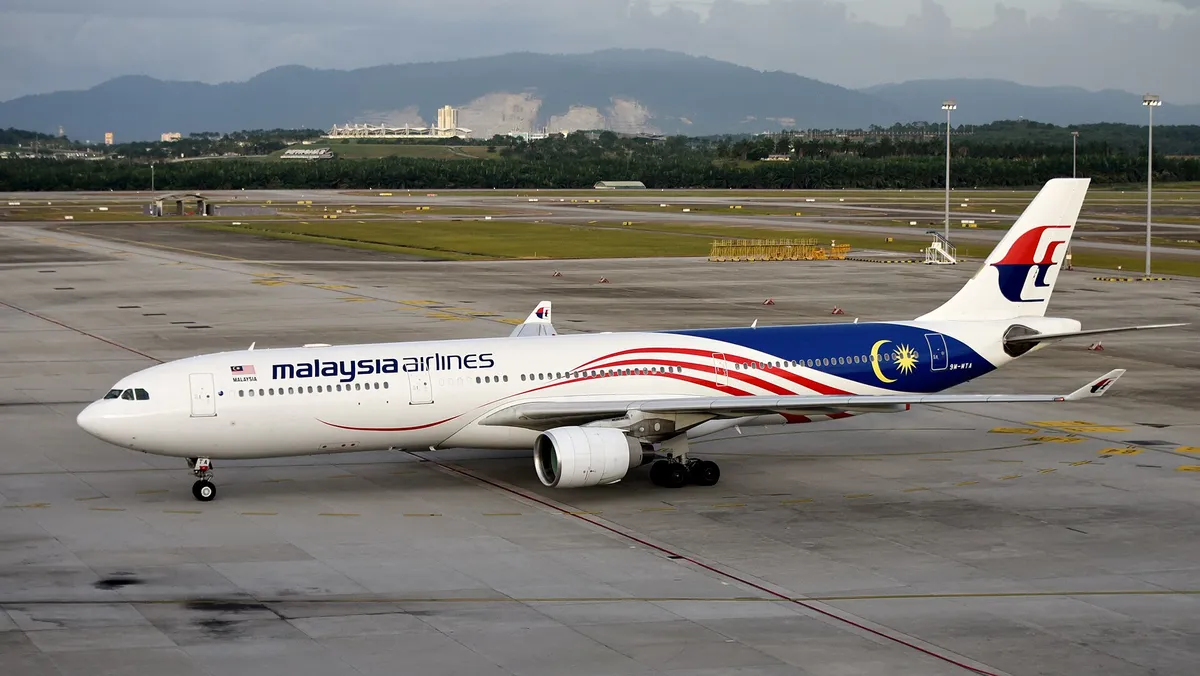
Airbus A330 (ceo)
Your answers
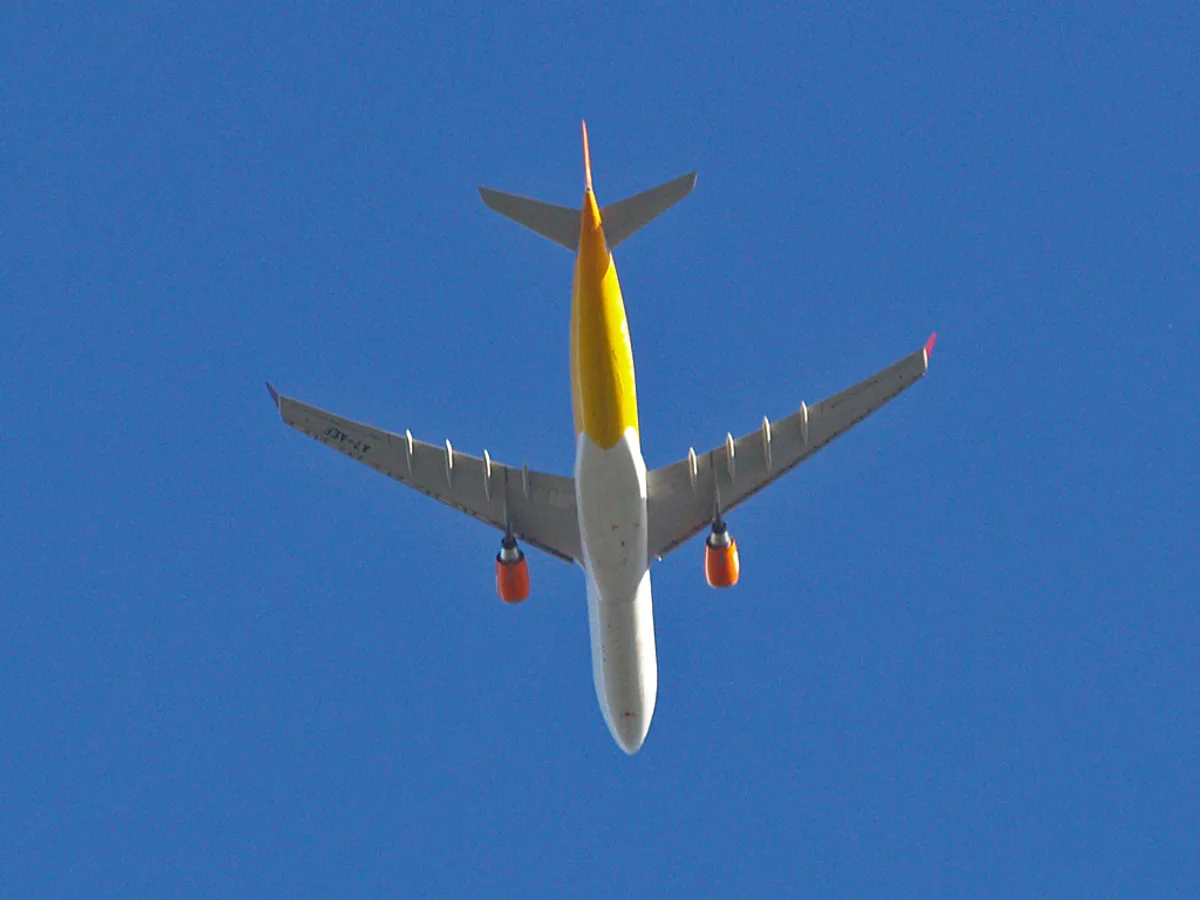
From below
The view you'll actually get from high overhead.
Field marks
- Four wheels on each main landing-gear leg rule out any 777 (six wheels) at a glance
- Wide, round body cross-section and rounded cockpit windows separate it from the flatter-sided, notch-windowed 767
- Engine pods look proportional to the wing, not oversized — the neo's pods are visibly fatter side by side
- Upturned wingtip blade is standard on nearly the entire fleet, unlike the plain-tipped early classics long since retired
Specs
- Length
- 63.69 m
- Wingspan
- 60.30 m
- Engines
- Rolls-Royce Trent 700 / General Electric CF6-80E1 / Pratt & Whitney PW4000
- Typical seats
- 247–335
Size and shape, to scale
Photos can't hold a consistent scale from shot to shot — these silhouettes are all drawn at the same 10 px = 1 m scale, so the proportions here are trustworthy even though the photos above aren't.
Variant notes
- The -300 (63.7 m) is the common long-body variant; the shorter -200 (59.0 m) is rarer and mostly flies with Gulf and Asian long-haul carriers
- Three engine families were offered — Trent 700, CF6-80E1, PW4000 — but the engine pods look similar enough across all three that engine choice is not a reliable spotting cue
- Some ceo airframes were retrofitted with upturned wingtip blades under Airbus's "A330 Enhanced" package, so a blade tip alone does not always mean neo
Commonly confused with
-

Boeing 777-200
Boeing
Six wheels on each main landing-gear leg is the single fastest 777-family tell — no other twin-engine jet in this fleet has it
-

Boeing 767
Boeing
The narrowest true widebody flying — noticeably fatter cross-section than a 757 but visibly slimmer than an A330 or 777
-

Airbus A330neo
Airbus
Visibly fatter, deeper engine pods than the ceo — the single fastest ceo-vs-neo tell side by side
-

Airbus A300-600F
Airbus
Short and fat for a widebody — noticeably stubbier and stockier than an A330, despite the two-aisle cabin cross-section