Field guide
33 types, grouped by manufacturer and family.
ATR

Airbus

Airbus A300 family

Airbus A320 family
-
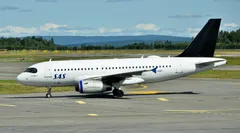
Airbus A319
Airbus
Small flat end-fins above and below the wingtip (spotters call these "fences") are the default — an upturned blade tip (a "sharklet") marks a rare neo or retrofit
-
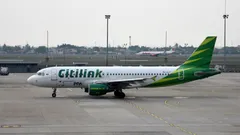
Airbus A320ceo
Airbus
Flat end-fins at the wingtip, not upturned blades, are the tell against any neo
-

Airbus A320neo
Airbus
Upturned wingtip blades plus visibly fat engine pods mark it as a neo
-
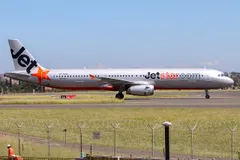
Airbus A321ceo
Airbus
Four overwing exits (two pairs) instead of the A320's two are the length tell up close
-
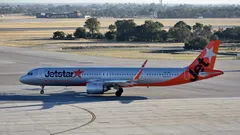
Airbus A321neo
Airbus
Upturned wingtip blades plus a visibly stretched body separate it from an A320neo
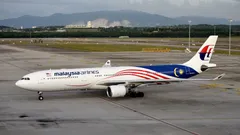
Airbus A330 family
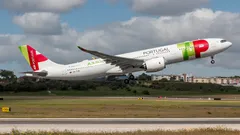
Airbus A350 family
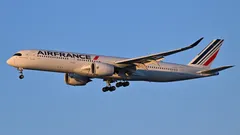
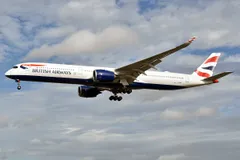
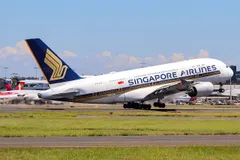
Boeing
Boeing 717 family
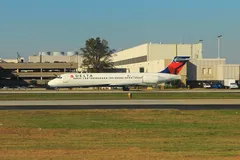
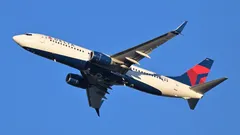
Boeing 737 family

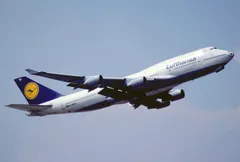
Boeing 747 family
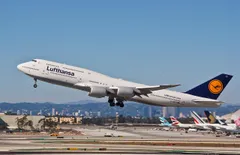
Boeing 757 family

Boeing 767 family

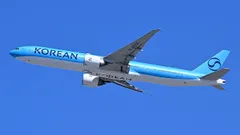
Boeing 777 family

Boeing 787 family
-

Boeing 787-8
Boeing
Saw-tooth engine-pod trailing edge (spotters call this a "chevron") plus four flat cockpit windowpanes are the fastest 787-family tells vs. any other widebody
-
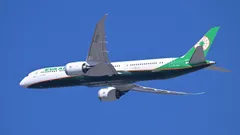
Boeing 787-9
Boeing
Body length sits between the stubby -8 and the visibly longer -10
-

Boeing 787-10
Boeing
Longest body in the 787 family — the most stretched-looking of the three variants
Bombardier
Bombardier CRJ family
-
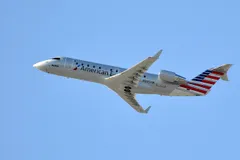
Bombardier CRJ200
Bombardier
Engines on the back of the body plus a T-shaped tail separate it (and the ERJ145) from any E-Jet, which has underwing engines and a low tail
-
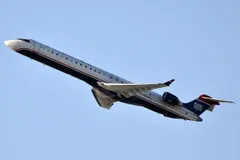
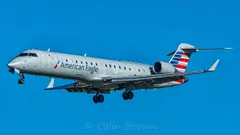
Bombardier CRJ700/900/1000
Bombardier
Engines mounted on the back of the body plus a T-shaped tail is the fastest way to separate any CRJ from an E-Jet, which has underwing engines and a low tail — the classic regional-jet split
Bombardier (de Havilland Canada)
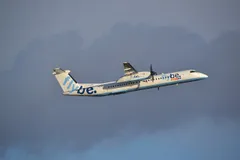
Embraer
Embraer E-Jet (E1) family
-
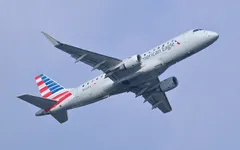
Embraer E170/E175
Embraer
Underwing engines and a low tail separate any E-Jet from a CRJ or ERJ, which mount their engines on the back of the body under a T-shaped tail — the classic regional-jet split
-

Embraer E190/E195
Embraer
Underwing engines and a low tail separate any E-Jet from a CRJ or ERJ, which have engines on the back of the body under a T-shaped tail